Show local gardeners what you have in stock.
Gardeners use WattleGrow to find specific plants nearby. If you stock a plant they're searching for, they're sent to your nursery, already knowing it suits their garden.
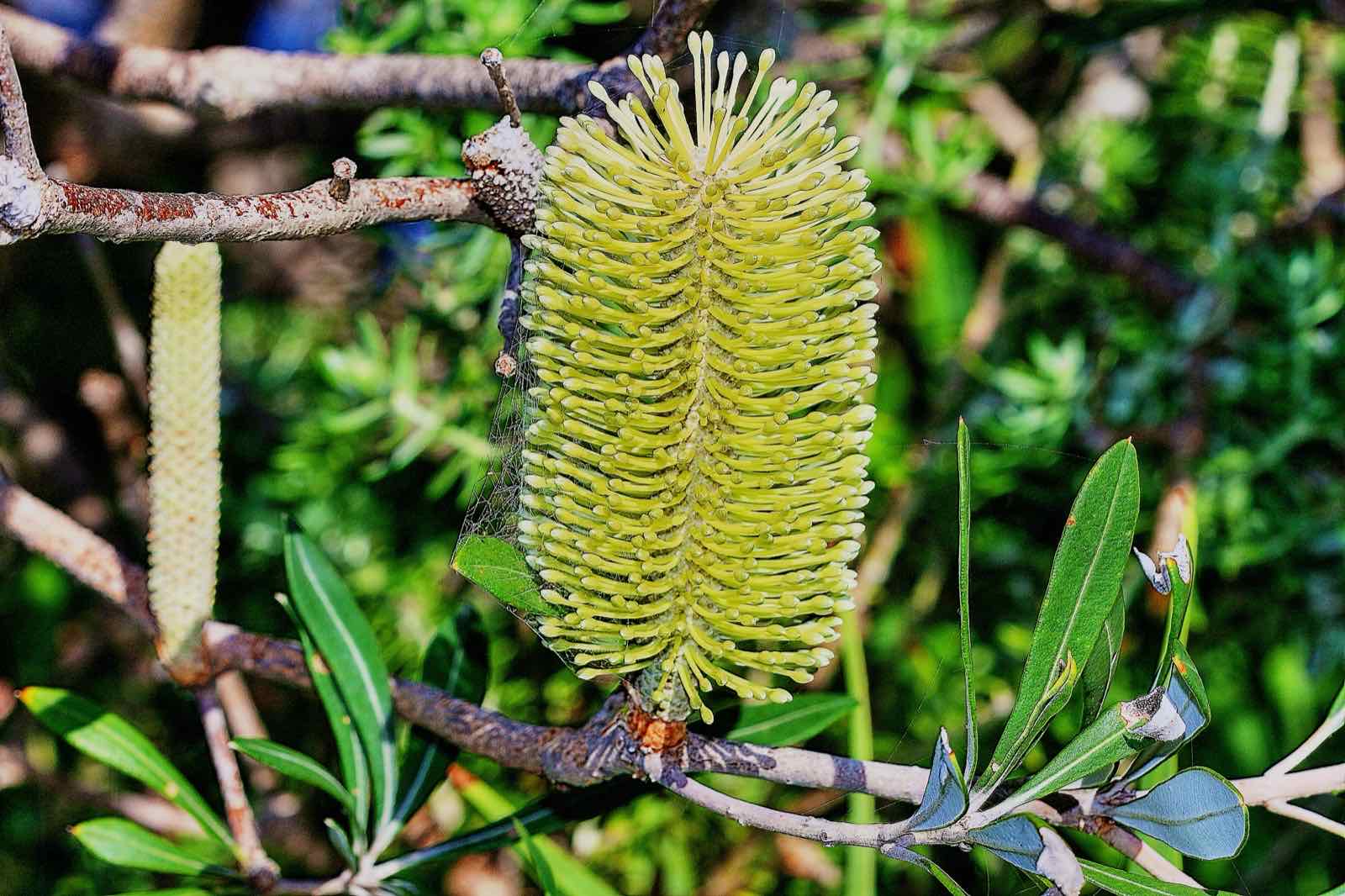
Coast banksia (Banksia integrifolia). Photo: Hyme852052, CC BY-SA 4.0.
,_The_Esplanade,_Cronulla,_NSW_Australia.jpg)
What you do
Claim your nursery. We verify the business before the listing goes live.
Send us your stock list however you already keep it: a spreadsheet, a PDF, a printout, or a phone call while you walk the beds. We load it the first time.
Mark plants as in stock or incoming, and update it when it changes.
If you sell a cultivar that isn't on our register, you can add it. It appears on your listing straight away and on other listings once we've verified it.
Your page
Each nursery gets its own page: name, logo, photos, contact details, location, opening hours including seasonal changes, delivery and pick-up options, and current availability by plant, pot size and stock state. Add what you're known for, whether that's tubestock, local provenance, grasses, bushfood or indigenous species, and your open days and workshops.
The page has a link and a QR code for labels, signage and social media. Nurseries with a good website already can embed the live stock list on it instead.
Four stock states
- In stock
- Available now. Appears in local search results.
- Low stock
- Nearly gone. Still appears, flagged so nobody drives an hour for your last two.
- Incoming
- On the way, with an approximate date. Gardeners can ask to be told when it lands.
- Unavailable
- Not currently held. Kept on your list so it's one tap to bring back next season.
Every nursery screen assumes you're on a phone, outdoors, holding it in one hand, and that you open it once a fortnight rather than every day. Large buttons, no wizards, and it saves as you go. Twenty accurate species beats two hundred guesses; partial lists are welcome.
Keep it current
Every listing shows an honest last-updated date, and recently confirmed listings rank above older ones. Listings untouched for 30 days drop out of local search, because a stale list sends a customer to your gate for a plant you sold six weeks ago. That costs you more than the listing was worth.
Being found
Gardeners search within a radius they choose, commonly 5, 10, 25 or 50 km. If nothing is available inside it, WattleGrow can still show the nearest option beyond. Click-throughs to your page are counted, so you can see the interest the platform generates rather than take our word for it.
Know what people want
Every unsuccessful search is useful information. If a lot of people around Mornington, Rye and Rosebud search for a plant that nobody locally stocks, that gap is worth knowing about. Native plants take time: Florabank, the national propagation standard, puts nursery lead time at three to nine months before planting, and catchment authorities tell buyers to order six to twelve months ahead. Nothing in the market tells growers what buyers will want next season.
- Local demand counts in aggregate, for example how many people within 20 km searched for a species in the past eight weeks.
- The plants most searched or wish-listed nearby while availability stays low.
- Wish lists: mark a plant as coming in October and WattleGrow tells the people waiting when it arrives.
- Seasonal patterns over time, to plan propagation and seed collecting against real interest.
No individual member is ever identified to a nursery. Demand is aggregated, and a plant only appears in these figures once enough separate people have searched for it.
Provenance
.jpg)
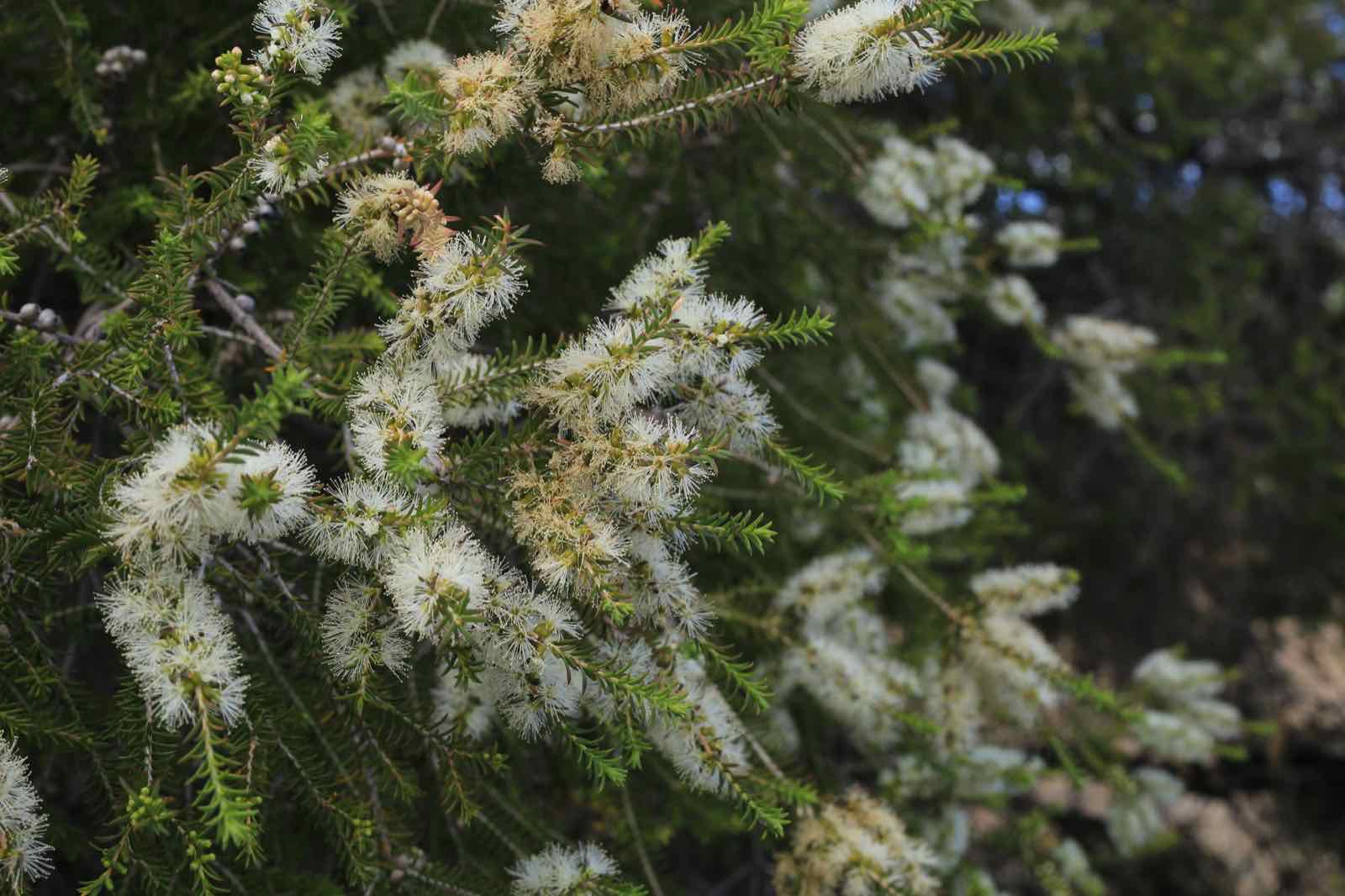
Where seed was collected matters to professional buyers, and some require proof. Melbourne Water's Plant Selection and Provenance Standard groups species by how far seed can travel: up to 20 km, 20 to 60 km, or up to 100 km, depending on pollination and dispersal. It asks for the species, collection date, a site identifier, and the collector's name and permit number to be recorded from field to delivery.
If you record provenance, WattleGrow shows it and ranks your stock higher for buyers who need it. It's a ranking signal rather than a hard filter, because in practice buyers accept seed from further away than the written standards suggest.
Beyond the household gardener
The same network of plants, availability and demand can serve councils, landscapers, housing developers and infrastructure projects that need landscaping, habitat restoration or stormwater planting. A project can signal its plant demand 12 to 18 months ahead, several local nurseries can collaborate on one order, and provenance requirements, quantities, pot sizes and timing can be managed in one place. Victoria produces over a third of Australia's greenlife. What growers lack is notice of what will be ordered.
Pricing
Free during the Mornington Peninsula pilot. We're not asking you to replace your website, your point of sale, or the way you already work, and there's no exclusivity.
Before launch
We're signing up Mornington Peninsula nurseries ahead of launch. Claim your listing now to have stock loaded by launch day.
Sources
- Melbourne Water, Plant Selection and Provenance Standard
- Florabank Guidelines, Module 13, Nursery propagation of tubestock and restoration planting (2021)
- Mornington Peninsula Shire, Revegetation and landscaping with indigenous plants, Nepean region
- Goulburn Broken Catchment Management Authority, Nurseries supplying indigenous plants (2025)
- Greenlife Industry Australia, Nursery industry statistics, 2023–24 production nursery report
- Victorian Government, Growing the future of our nursery and garden industry