How we check plant information
Wrong growing advice kills plants and destroys trust. So every plant-to-region match on WattleGrow is tied to a source you can see, and where a claim cannot be sourced, it is not published.
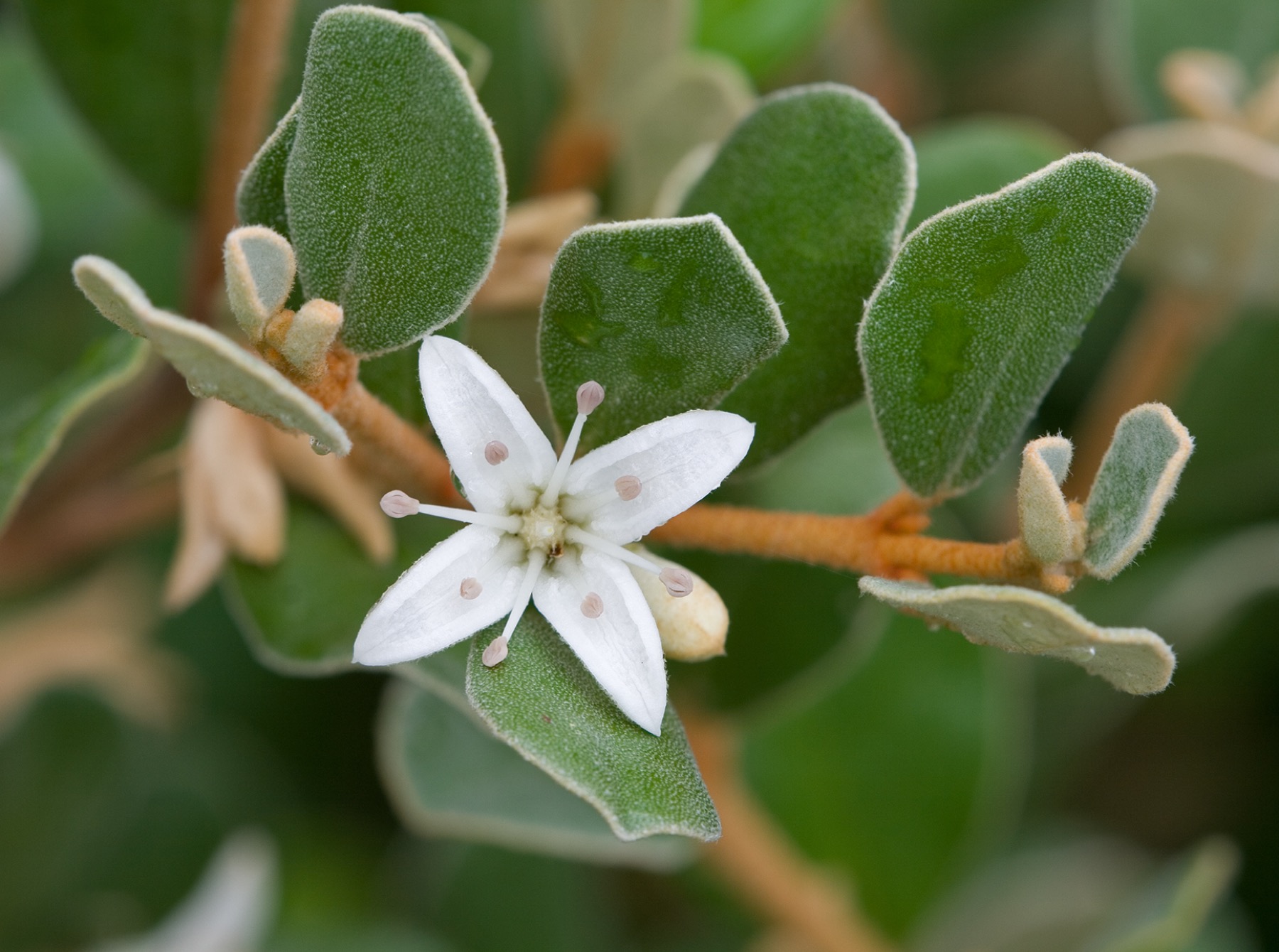
White correa (Correa alba) in flower. Photo: JJ Harrison, CC BY-SA 3.0.

Three places a match comes from
Reference data. National bioregion and vegetation mapping, with Victoria's own vegetation classes and flora added as a state layer. The datasets are listed below.
Member reports. Gardeners report where a plant is growing well for them, and how it fared.
Horticulturist review. A match is markedVerified only when a horticulturist has confirmed it or several independent reports agree. Until then it shows asMember reported, with no guarantee of success.
The reference datasets
- IBRAAustralian Government, DCCEEW
- Divides the continent into 89 bioregions and 419 subregions by climate, geology, landform and vegetation. The Peninsula sits in the Gippsland Plain bioregion.Licence: CC BY 3.0 AU
- NVISAustralian Government, DCCEEW
- National mapping of present-day native vegetation types, compiled with the states.Licence: CC BY 4.0
- EVCsVictorian Government, DEECA
- Victoria's classification of vegetation types, with benchmarks describing each one before European settlement. The Shire's survey found 45 on the Peninsula.Licence: CC BY 4.0
- VicFloraRoyal Botanic Gardens Victoria
- Species profiles, descriptions and identification keys for every plant in Victoria.Licence: CC BY 4.0 (text)
- ALACSIRO and partners
- Occurrence records from museums, herbaria, agencies and community observers. Licence varies by contributing dataset.Licence: Varies
- Declared noxious weedsAgriculture Victoria
- The species Victoria has declared as noxious, by category, so a weed is flagged before anyone buys it.Licence: Not stated
The provenance and licensing of every significant data source is being reviewed by a lawyer before launch.
Native, indigenous, and weed
WattleGrow separates Australian natives from plants locally indigenous to your area, because a plant labelled "native" may come from the other side of the country and behave like a weed here. Declared weeds and other cautions are flagged on the plant, and theexotic swaps list suggests alternatives.
Aboriginal plant names
Aboriginal and language-group plant names appear only where they are shared with the permission of knowledge holders and attributed to the right language group.
Nurseries and cultivars
Nurseries are verified before their listings go live.
Cultivars added by a nursery show only on that nursery's listing until we verify them.
Sources
- Australian Government, DCCEEW, Interim Biogeographic Regionalisation for Australia
- Australian Government, DCCEEW, National Vegetation Information System
- Victorian Government, DEECA, Ecological Vegetation Classes
- Royal Botanic Gardens Victoria, Flora of Victoria
- CSIRO and partners, Atlas of Living Australia
- Agriculture Victoria, Catchment and Land Protection Act 1994 lists